
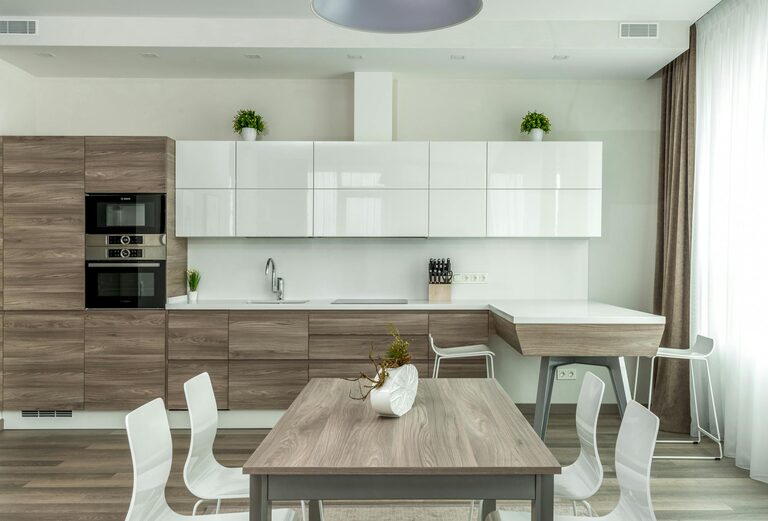
Keeping kitchen counters clutter-free is a common goal for many homeowners. A clean and organized countertop not only enhances the look of your kitchen but also makes cooking and meal prep more efficient. However, with so many gadgets, utensils, and ingredients, it can feel overwhelming to keep everything neat and tidy. In this post, we’ll explore practical strategies to create and maintain clutter-free kitchen counters.
Why Keep Kitchen Counters Clutter-Free?
Your kitchen countertop is one of the most used surfaces in your home. A clean space:
– Reduces stress and distraction while cooking
– Makes cleaning easier and faster
– Allows more room for meal preparation
– Looks welcoming and aesthetically pleasing
By committing to a clutter-free counter, you create a kitchen environment that invites creativity and calm.
Step 1: Clear Everything and Start Fresh
Before organizing, remove all items from your counters. Wipe down the surfaces thoroughly to have a clear space to work with.
– Sort items into categories: utensils, appliances, ingredients, and miscellaneous
– Decide which items you use daily and which can be stored elsewhere
– Consider donating or discarding duplicates or rarely used items
This initial clean slate helps you better visualize what you truly need on your counters.
Step 2: Prioritize Essential Items
Not all kitchen items belong on the counter. Typically, only daily-use essentials should remain accessible.
– Keep nearby: coffee maker, toaster, frequently used knives, salt and pepper shakers
– Store away: bulk appliances like slow cookers or blenders used once a week or less
– Limit decorative items: too many can quickly feel cluttered, stick to one or two pieces
Having a defined list of essentials makes it easier to decide what stays.
Step 3: Use Smart Storage Solutions
Investing in smart storage options can maximize space and keep counters clear.
Drawer Organizers
Use organizers to neatly store utensils and small gadgets in drawers instead of countertops.
Vertical Storage
Install wall-mounted racks or magnetic strips for knives and utensils. This saves counter space and keeps tools handy.
Containers and Baskets
Use clear containers or baskets to group small items like spices or tea bags. Label containers to streamline access.
Step 4: Establish Zones for Efficiency
Create dedicated zones on your counter for specific tasks. Group similar functions together.
– Prep zone: cutting board, knives, mixing bowls
– Cooking zone: spice rack, cooking oils, frequently used pots
– Beverage zone: coffee maker, mugs, sugar container
Zoning organizes the workspace, reduces clutter, and speeds up cooking.
Step 5: Maintain a Daily Cleanup Routine
Even an organized kitchen can become cluttered without daily upkeep.
– Wipe counters daily after use
– Return items to their designated places immediately
– Empty the dishwasher or washing basin regularly to put away dishes
– Avoid piling mail, keys, or unrelated items on counters—use an entryway table instead
Simple daily habits prevent clutter from building up.
Bonus Tips for Long-Term Organization
Minimize Appliances
If possible, consider reducing the number of countertop appliances: a multi-function appliance can replace several single-use ones.
Use Under-Cabinet Lighting
Good lighting highlights the clean countertops and makes your kitchen feel more open and neat.
Regular Decluttering
Set a reminder every few months to go through your kitchen items. Reassess what you use and remove what’s unnecessary.
—
Making kitchen counters clutter-free doesn’t have to be a daunting task. By following these practical steps and maintaining simple habits, you can enjoy a clean, organized, and inviting kitchen space.
Happy organizing!